-
All session formats are tailored to your event objectives, audience composition, and desired learning outcomes. Duration, delivery style, and engagement methods are confirmed in advance to ensure every session is positioned for impact.
Presentation Standards
Every engagement delivered through Speakers Bureau of Canada is built on a consistent set of professional standards. The following principles guide how speakers prepare, customize, and deliver each session.
-
1
Customization
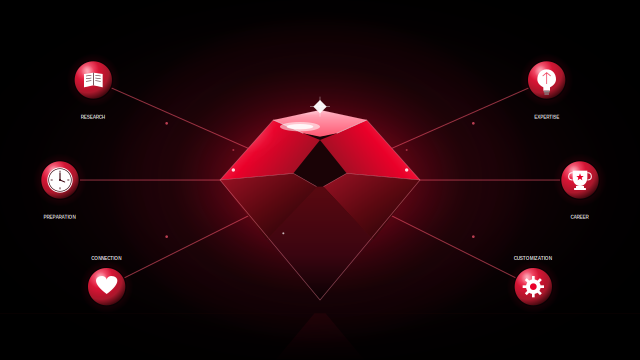
Presentations must align with the confirmed event theme, audience composition, and organizational objectives. Speakers must adapt content to reflect the event goals, tone, intended outcomes, industry focus, and client direction.
-
2
Organizational Challenges
Speakers must address key challenges and goals identified during pre-event meetings and in briefing materials. Each presentation should help participants evaluate challenges and identify applicable solutions within their workplace.
-
3
Researched Content
Presentation content must be grounded in current data, credible sources, and professional experience. Speakers are required to research the organization, its sector, and the broader issues influencing the audience.
-
4
Desired Learning Outcomes
Each presentation must address the learning outcomes confirmed by the client and speaker in content creative meetings. Content must provide clarity, applicable tools, and takeaways aligned with audience needs and event objectives.
-
5
Latest Trends
Speakers must remain informed on current developments and evolving practices in their field. References to new research, technology, or market shifts must be accurate and connected to the event’s learning outcomes.
-
6
Event Theme
All presentations must clearly reflect the event theme established for the event. Key messages, visuals, and examples must align with event language, tone, and objectives.
-
7
Audience Alignment
Presentations must be structured for the audience’s professional level, experience, and expectations. Tone, pace, and content depth must ensure clarity, accessibility, and engagement for all participants.
-
8
Integration and Delivery
Each presentation must integrate customization, research, and audience alignment into a coherent session. Delivery must demonstrate expertise, clarity, and engagement to create measurable audience impact.
Session Format Quick Reference
Use the table below to compare session formats at a glance. All durations are averages and can be adjusted based on your agenda, speaker preference, and event requirements.
|
Format |
Total Duration |
Speaking Time |
Ideal Speaking Time |
Q&A |
Event Format |
|
Keynote |
40–75 min |
30–60 min |
40 min |
5–15 min |
In-Person |
|
Keynote + Breakout |
100–150 min |
Combined |
40 min + 60 min |
10–15 min |
In-Person |
|
Virtual Session |
45–60 min |
40-60 min |
30 min |
5–15 min |
Virtual |
|
Fireside Chat & Moderated Q&A |
40–75 min |
5–10 min/answer |
60 min |
10–15 min |
In-Person/Virtual |
|
Panel Discussion |
60–90 min |
10–20 min/speaker |
15 min/speaker |
10–15 min |
In-Person/Virtual |
|
Emcee or Event Host |
Half Day-4 Days |
Variable |
Variable |
Variable |
In-Person/Virtual |
|
Moderator |
60–90 min |
1–2 min/segment |
Depending |
10–15 min |
In-Person/Virtual |
|
Workshop |
60–120 min |
Variable |
75-90 min |
Integrated |
In-Person |
|
Half Day Training |
2–4 hours |
Variable |
2.5-3.5 hours |
Integrated |
In-Person |
|
Full Day Training |
6–8 hours |
Variable |
6-7 hours |
Integrated |
In-Person |
-
Common Myth: Shorter keynotes are easier for the speaker?
Shorter keynotes are more difficult to deliver effectively. Speakers must be selective and precise to deliver clear value within a limited timeframe while maintaining relevance and impact. With reduced time, there is less room for context, examples, and reinforcement. When an organizer allocates 25 minutes or under, the first thing our speakers asks for is more time.
Single Session Formats
Single session formats are ideal for conferences, internal meetings, and standalone professional development events. Each format is designed for specific audience engagement objectives and event structures.
-
Keynote Presentation
- Session Duration: 60–75 minutes (keynote plus Q&A)
- Speaking Time: 40–60 minutes
- Q&A: 5–15 minutes at end of session
- Engagement: Video, storytelling, stage effects, music, humor, and direct audience participation
-
Fireside Chat & Moderated Q&A
- Session Duration: 60–75 minutes
- Moderator Questions: 10–15 curated questions
- Speaker Responses: 5–10 minutes each
- Q&A: 10–15 minutes at end of session
- Engagement: Dialogue and storytelling through speaker-moderator exchange
-
Virtual Session
- Session Duration: 45–60 minutes with optional Q&A
- Speaking Time: 40 minutes average
- Q&A: 5–15 minutes at end of session
- Engagement: 50% presentation / 50% fireside chat, visual images, preloaded and audience chat questions
-
Panel Discussion (Panelist)
- Session Duration: 60–90 minutes
- Speaking Time: 10–20 minutes per speaker; 5–10 minutes per segment
- Q&A: 10–15 minutes at end of session
- Engagement: Dialogue with moderator, live polling, and multi-panelist contributions
-
Workshop Presentation
- Session Duration: 60–120 minutes
- Speaking Time: Depends on workbooks, activities, and room setup
- Q&A: Integrated throughout with additional time at the end
- Engagement: Group activities, workbooks, role play, breakout discussions, and applied learning
-
Moderator
- Session Duration: 60–90 minutes
- Speaking Time: 1–2 minutes per question or theme introduction
- Q&A: 10–15 minutes managed at end of session
- Engagement: Facilitates dialogue, manages polling, and guides panelist–audience interaction
Multiple Sessions Same Day
Speakers can deliver multiple sessions within the same day, structured as half-day or full-day engagements. Planning early allows alignment with schedule, format, and audience — and most organizations are unaware that additional sessions are available at reduced incremental rates.
-
Booking Incentives
Additional sessions at small incremental rates
Saves time and money from sourcing out other speakers
Saves money from paying other fees, travel and costs
Maximizes value while speaker is already on site
Speaker becomes fully invested in event not just the session -
Recommendation
A keynote paired with a breakout on the same topic supports both learning and application. The keynote introduces the message and engages the audience, while the breakout provides an interactive session to apply and implement what was learned.
-
Session Types
- Keynote
- Breakout
- Workshop
- Event Host / Emcee
- Moderator
- Fireside Chat / Moderated Q&A
- Meet & Greet / Book Signing
- Networking Sessions
- One-to-One Meetings
- Roundtable Discussion
- Executive Strategy Session
-
Delivery & Impact
- Same format, same topic
- Same format, different topics
- Different formats, same topic
- Different formats, different topics
- Standalone or connected sessions
- Content adapted per audience group and format
- Builds familiarity, credibility, and consistent messaging
- Increases engagement, participation, and reach
- More opportunities for discussion and interaction
- Speaker attends full event, building off the program
- Extends speaker contribution across the event while on site
- Fills program with expertise at a lower cost
-
Keynote + Breakout Session
- Duration: Keynote 40–60 min | Breakout 60–90 min (100–150 min total)
- Optional: Keynote 20–60 min | Breakout 40–120 min
- Q&A: Limited in keynote; breakout includes questions throughout and 10–15 min at end
- Engagement: Keynote delivers core insights; breakout enables smaller group interaction and applied learning
- Cost: Half-day rate (one tier above keynote fee); additional sessions billed at keynote rate plus increment or 50% for new topics
Training Programs & Multiple Events
Multi-session formats combine two or more delivery types to create deeper audience engagement, extended learning, and greater event value. Each structure is priced as a half-day rate and fully customized to your event agenda, audience, and learning objectives.
Half Day Training
- Duration: 3–4 hours total | Speaking Time: 120–180 minutes
- Break: Halfway 10–15 minute break provided for speaker and attendees
- Q&A: Integrated throughout with time allocated for discussion, clarification, and debrief
- Engagement: Hands-on exercises, scenarios, facilitated discussions, and application-based learning
- Cost: Calculated as a half-day rate; higher keynote fees generally correspond to higher rates for half-day sessions
Full Day Training
- Duration: 6–8 hours total | Speaking Time: 300–360 minutes delivered in modules throughout the day
- Optional: Two scheduled breaks and a lunch break recommended to maintain attention and participation
- Q&A: Integrated throughout with time reserved at the end of each segment or module
- Engagement: Intensive interaction through applied learning, breakout groups, case studies, and active participant feedback
- Cost: Calculated as a full-day rate, typically one tier above half-day sessions; higher keynote fees correspond to higher full-day rates
Multiple Day Training
- Duration: 2–5 consecutive or scheduled training days | Speaking Time: 4–6 hours per day
- Optional: Regular breaks and learning intervals integrated to manage cognitive load and sustain engagement over multiple days
- Q&A: Built into each day’s session design through structured discussion, feedback loops, and group review
- Engagement: Deep-dive content supported by progressive exercises, collaborative projects, facilitated dialogue, and daily takeaways
- Cost: Priced per day based on a full-day rate with additional planning and development fees depending on scope and length
Multiple Day & Multiple Event Bookings
Speakers deliver across multiple days within the same event or across multiple events and locations. Planning early supports scheduling, availability, and alignment across audiences, formats, and locations while managing cost and logistics.
-
Booking Incentives
-
Sliding scale pricing lowering the cost per booking
Flexibility on pricing, formats, and durations
Fulfills program with additional sessions at reduced rates -
Audience and topic overlap or relation easily managed
Prioritized dates and availability
Maximizes speaker credibility, influence, and ability to drive impact
Session Types
- Session Types
- Keynote
- Breakout
- Workshop
- Event Host / Emcee
- Moderator
- Fireside Chat / Moderated Q&A
- Meet & Greet / Book Signing
- Networking Sessions
- One-to-One Meetings
- Roundtable Discussion
- Executive Strategy Session
Session Structure
- Multiple consecutive or non-consecutive days
- Multiple events across different locations
- Same format, same topic (repeated)
- Same format, different topics
- Different formats, same topic
- Different formats, different topics
Delivery & Impact
- Standalone or connected across days and events
- Content adapted by audience group, location, and format
- Builds familiarity and credibility across events and locations
- Supports consistent message delivery across teams and regions
- Increases engagement and expands reach across departments
- Strengthens alignment, retention, and application of key ideas
- Extends speaker contribution across multiple days and events
Event Host / Emcee
Professional event hosts manage flow, timing, and transitions across the full program. They guide the audience between sessions, introduce speakers, and maintain structure from opening to close. Many organizations treat the host as a key investment, while others assign internally — with outcomes varying based on experience and preparation.
-
Scope Options
Half Day to up to 4 Days
Segment Hosting
One Day Program Hosting
Multi-Day Conference Hosting
Fundraiser Hosting
Award Gala Hosting
In Person & Virtual -
Additional Roles
Moderator
Panel Facilitator
Fireside Chat Lead
Closing Keynote – Event Recap
Audience Interaction Support
Entertainment
-
Responsibilities
- Scripted or Non-Scripted Delivery
- Pre-Event Briefings and Run of Show Alignment
- Content Familiarity with Organization and Agenda
- Coordination with Event Team and Speakers
- Opening and Closing Sessions
- Speaker Introductions
- Time Management and Transitions
- Agenda Control
- Audience Engagement
- Live Adjustments and Updates
- Session Recaps and Closing Summary
-
Engagement & Impact
- Maintains event flow and timing
- Builds energy and audience connection
- Supports transitions between topics
- Engages with attendees between sessions
- Coordinates with speakers throughout event
- Provides context and continuity across sessions
- Supports speaker success and program alignment
- Reinforces key messages across sessions
- Creates consistency across the program
- Supports tone during heavy or complex content
- Contributes to event memorability
Emcee & Event Host Fees
-
Standard Range
- Typical rates range from $5,000 to $10,000 per day
- Sliding scale pricing applied for multiple days or bookings
-
Premium Talent
- Celebrity hosts, TV personalities, and notable figures typically start at $20,000 or more
- Sliding scale may apply based on scope and duration
-
Adjustments
- Script writing and content development may increase fees
- Gala hosting, awards presentations, moderating, and keynotes may be included or added at incremental cost
- Some emcees under media or network contracts may have restrictions on paid engagements
-
Planning Insight
- Internal hosts may reduce cost but can impact delivery consistency and energy
- Professional emcees provide structure, timing control, and audience engagement across the event
- Book early if required to book for multiple days
-
Contact Us
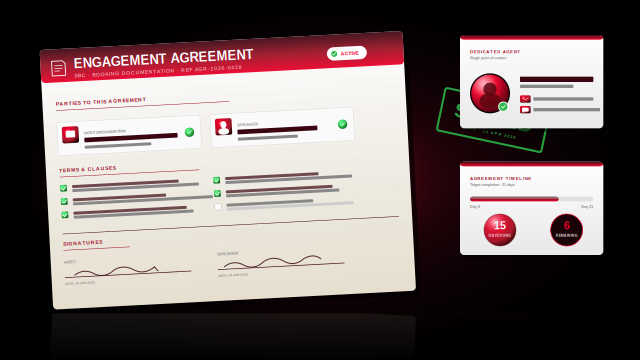
To discuss session formats, confirm availability, or begin planning your event, contact your dedicated booking agent or reach our team directly.
Agent Support
Client Services
-
Helpful Resources
Review speaker fees and travel expenses at any stage of your planning process. Our resource pages provide detailed guidance on cost components and estimates.
Speaker Fees
speakerscanada.com/speaker-fees
Travel Expenses